

Blog
Corruption in Paradise: How Government Failures Are Impacting Businesses and Tourism in The Bahamas and the Caribbean
Feb
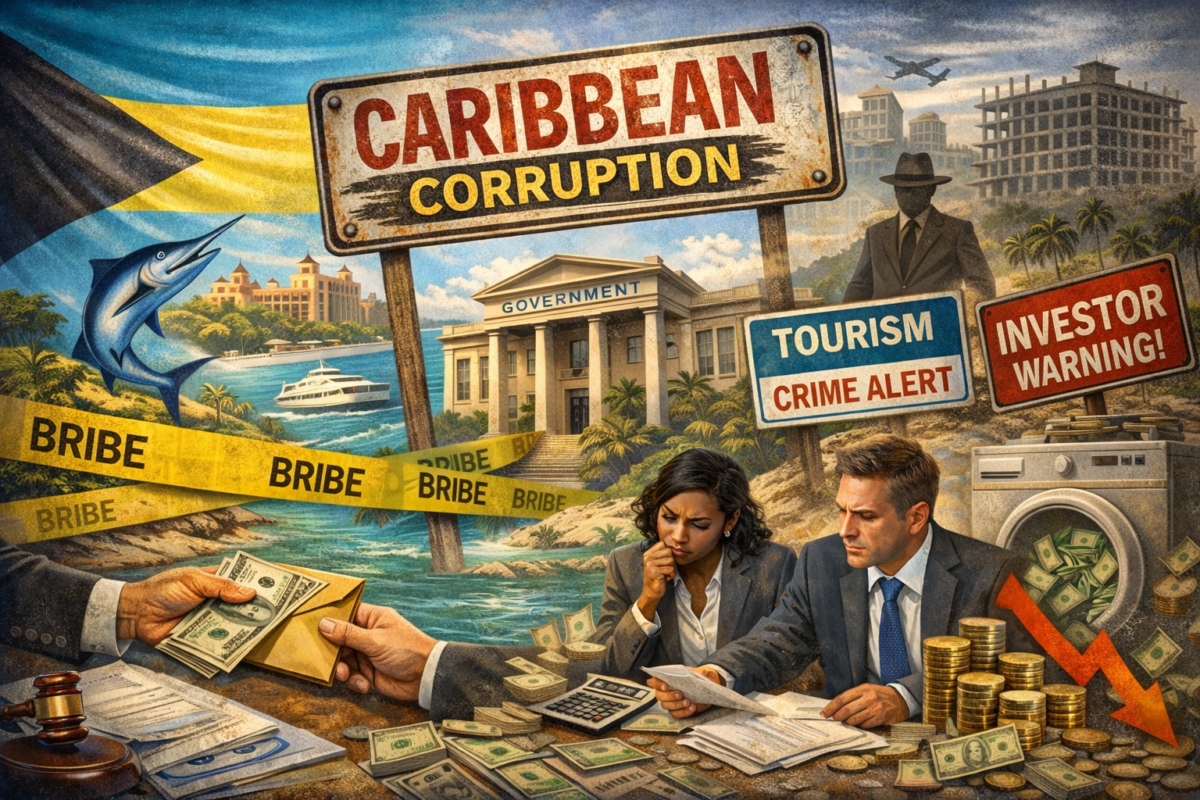
The Bahamas is often marketed as a tropical paradise — sun-soaked beaches, vibrant culture, and some of the world’s most lucrative tourism and financial sectors. But beneath the postcard-perfect surface, governance challenges and corruption have quietly influenced how businesses operate and how visitors experience the islands. These issues aren’t just local problems — they echo across the Caribbean, affecting economic growth and investor confidence throughout the region.
What Corruption Looks Like in The Bahamas
While The Bahamas ranks higher on the global Transparency International Corruption Perceptions Index compared to many Caribbean neighbours — scoring in the mid-60s out of 100 (where 100 is least corrupt) — corruption issues persist and have real consequences for business and tourism.
One of the most glaring concerns reported by local businesses is corruption in regulatory processes. Companies often cite bribe-taking and expedited service through unofficial payments for permits and business licenses. These “informal fees” create uncertainty, add costs, and distort fair competition — especially for small and medium businesses that cannot afford them.
Additionally, The Bahamas’ reputation for financial secrecy and offshore activity has drawn scrutiny. Historical investigations — including the famous Pandora Papers — showed how global elites used offshore systems for hidden wealth, reinforcing perceptions of a system that benefits elites at the expense of wider markets.
Weak Anti-Corruption Frameworks
Although there are laws intended to prevent corruption, enforcement mechanisms in The Bahamas remain weak. There’s no single independent corruption-fighting agency empowered to investigate government misconduct, and whistleblowers often fear retaliation. Efforts to strengthen transparency — such as anti-corruption legislation and proposals for an ombudsman — have stalled or lagged in implementation.
Without strong institutions that can hold leaders accountable, perceptions of favoritism, discretionary policymaking, and opacity in government contracts and public procurement continue to hamper trust in public institutions.
Impact on Businesses
Corruption affects businesses in several key ways:
1. Increased Costs and Barriers to Entry:
Bribe-related demands in permitting or customs slow down operations, forcing businesses to pay unofficial fees or endure delays.
2. Reduced Foreign Investment:
Investors seek transparency and predictability. Perceptions of corruption — even if not widespread — raise risk premiums and can divert capital to markets with firmer governance frameworks.
3. Inequitable Competition:
When officials award contracts to cronies or set regulations that favour select enterprises, smaller or independent companies face unfair disadvantages.
Local entrepreneurs and business owners report that such barriers make it harder for homegrown companies to scale, compete with foreign firms, and contribute fully to the local economy.
Tourism — The Heart of the Economy
Tourism is the economic engine of The Bahamas, contributing roughly 50% of GDP and employing a large portion of the workforce. When governance issues intersect with crime, safety concerns, or institutional transparency issues, they can dampen visitor confidence and tarnish the destination brand.
For example:
✔ Travel advisories tied to crime and perceived governance weaknesses can discourage key markets from traveling.
✔ Infrastructure projects tied to tourism can stall when procurement lacks transparency.
✔ Conversations around crime and justice — often tied to how government institutions respond — can overshadow the natural beauty that draws tourists.
Even if corruption itself doesn’t directly target tourists, the indirect effects — like weaker rule of law or poor public service delivery — do influence visitor decisions.
Regional Ripple Effects
Across the wider Caribbean, corruption isn’t unique to one nation — but its manifestations vary. In some countries, corrupt practices have facilitated trafficking, money laundering, and organized crime, affecting regional security, public trust, and investment flows.
For governments heavily reliant on tourism and foreign direct investment, weak governance can make the region less competitive against other global destinations that offer greater stability and transparency.
Where Reform Could Make a Difference
Many reform ideas have been discussed in The Bahamas and throughout the Caribbean:
✔ Establish independent anti-corruption authorities with enforcement powers.
✔ Strengthen whistleblower protections and reporting mechanisms.
✔ Promote transparency in public procurement and government contracts.
✔ Improve regulatory consistency for businesses.
✔ Partner with regional and international bodies to adopt best practices.
These reforms could improve investor confidence, lower costs for businesses, and make tourism ecosystems more resilient and attractive.
Final Thoughts
Corruption in The Bahamas and the broader Caribbean isn’t always dramatic or headline-grabbing — in many cases it’s subtle, structural, and intertwined with how institutions function. But its impact is tangible: higher operating costs, reduced business growth, lower investor confidence, and tourism vulnerability.
For economies that lean heavily on hospitality, resources, and international trade, strengthening transparency and governance isn’t just ethical — it’s economic strategy.

